
From the hum of automated factories to the precision crafting of aerospace components, the world of manufacturing is increasingly shaped by Computer Numerical Control, or CNC, machines. These sophisticated tools, guided by computer programs, are revolutionizing how we create everything from intricate jewelry to massive industrial parts. Understanding the fundamentals of CNC technology is crucial for anyone looking to navigate the modern manufacturing landscape, offering a window into a world where precision and efficiency reign supreme.
This exploration will delve into the core principles that govern CNC machines, examining their intricate components and diverse applications. We will dissect the inner workings of these machines, from the coordinated dance of axes to the critical role of software and programming. Furthermore, we will compare and contrast various CNC machine types, revealing their unique strengths and target materials, and uncover the industries that rely heavily on their capabilities. Finally, the discussion will cover the benefits and limitations of using CNC machines, along with the safety measures and maintenance procedures essential for their operation, ensuring a comprehensive understanding of this vital technology.
Understanding the Fundamental Concept of a CNC Machine’s Operation is Crucial for Beginners
The allure of Computer Numerical Control (CNC) machines lies in their ability to transform raw materials into complex, precisely crafted components. Understanding the underlying principles of their operation is paramount for anyone venturing into the world of manufacturing, engineering, or even hobbyist fabrication. This knowledge forms the bedrock for effective utilization, troubleshooting, and ultimately, mastering the capabilities of these sophisticated tools.
Basic Principles of CNC Machine Operation
CNC machines operate on a fundamental principle: automated control of machine tools via a computer. This automation hinges on the coordinated movement of axes, each representing a direction in space. A CNC machine typically has three primary axes: X, Y, and Z, corresponding to width, depth, and height, respectively. More complex machines may include additional axes for rotational movements. The computer, or the “brain” of the CNC machine, is programmed with instructions detailing the desired movements of these axes. These instructions, written in a language called G-code, specify the tool’s path, speed, and other parameters necessary to perform a specific task, such as cutting, drilling, or milling.
The process begins with a digital design, often created using Computer-Aided Design (CAD) software. This design is then converted into a set of instructions, or a program, that the CNC machine can understand. The G-code program tells the machine exactly where to move the cutting tool, at what speed, and in what sequence. The control unit interprets these instructions and sends signals to the motors that drive the axes. These motors, typically stepper motors or servo motors, precisely control the position of the cutting tool. The cutting tool, which can be a drill, end mill, or other specialized tool, removes material from the workpiece according to the programmed instructions. The workpiece, the material being shaped, is securely held in place on the worktable. The entire process is meticulously controlled, ensuring accuracy and repeatability. For example, a CNC milling machine might be programmed to create intricate designs on a metal plate. The program would dictate the movement of the milling cutter along the X, Y, and Z axes, precisely removing material to create the desired features. The machine would repeat this process with consistent accuracy, producing multiple identical parts. The precision achievable is often measured in thousandths of an inch (mils) or even smaller increments.
Components of a CNC Machine
CNC machines are comprised of several interconnected components, each playing a vital role in the overall operation. Understanding these components is essential for both operation and maintenance.
- Control Unit: The control unit, often referred to as the CNC controller, is the central processing unit of the machine. It reads and interprets the G-code program, translates these instructions into signals, and controls the movements of the machine’s axes. The controller also monitors various sensors and feedback mechanisms to ensure the machine is operating correctly. The control unit’s interface, often a screen and keypad, allows the operator to load programs, monitor the machine’s status, and make adjustments.
- Motors: CNC machines use motors to drive the axes. These motors are typically either stepper motors or servo motors. Stepper motors move in precise increments, making them suitable for many applications. Servo motors offer higher speeds and greater precision, often incorporating feedback systems to ensure accurate positioning. The motors are responsible for the precise movements of the cutting tool along the X, Y, and Z axes, enabling the machine to perform complex operations.
- Cutting Tools: The cutting tool is the component that removes material from the workpiece. The type of cutting tool used depends on the material being machined and the desired outcome. Examples include drills for creating holes, end mills for shaping surfaces, and turning tools for rotating parts. The selection of the cutting tool is crucial for achieving the desired accuracy and surface finish.
- Worktable: The worktable, also known as the machine bed, provides a stable platform for securing the workpiece. It is designed to withstand the forces generated during the machining process. The worktable may incorporate features like T-slots or clamping systems to securely hold the workpiece in place.
Advantages of CNC Machines Over Manual Machines
CNC machines offer significant advantages over manual machines, primarily in terms of precision, repeatability, and automation. These advantages translate to increased efficiency, reduced waste, and the ability to produce complex parts with ease.
- Precision: CNC machines are capable of achieving far greater precision than manual machines. The precise control of the axes and the use of digital feedback systems allow for tolerances that are often impossible to achieve manually. This precision is critical in industries such as aerospace, medical device manufacturing, and electronics, where accuracy is paramount. For example, a CNC machine can consistently produce parts with dimensions accurate to within a few thousandths of an inch, while a skilled machinist might struggle to maintain the same level of accuracy on a manual machine.
- Repeatability: CNC machines excel at repeatability. Once a program is created, the machine can repeatedly produce identical parts without variation. This is in stark contrast to manual machines, where operator skill and consistency are critical factors. The ability to repeat a process consistently is essential for mass production and ensuring quality control.
- Automation: CNC machines are highly automated. They can operate continuously with minimal human intervention. This automation reduces labor costs, increases production rates, and allows for unattended operation. The operator can load the program, set up the machine, and then monitor the process, freeing up time for other tasks. This automated capability is particularly advantageous in industries that require high-volume production.
Exploring the Various Types of CNC Machines and Their Specific Applications is Important for Choosing the Right Tool
Understanding the diverse landscape of CNC machines is paramount for anyone venturing into automated manufacturing. Selecting the appropriate CNC machine is a critical decision that directly impacts production efficiency, material compatibility, and the final product’s quality. This exploration delves into the various CNC machine types, their core functionalities, and the industries that heavily depend on them.
CNC Machine Types and Their Functions
The world of CNC machining offers a variety of machine types, each designed to excel in specific manufacturing tasks. Understanding the distinctions between these machines is essential for optimizing production processes and achieving desired outcomes.
- CNC Milling Machines: These machines, perhaps the most versatile of the CNC family, utilize rotating cutters to remove material from a workpiece. They can operate on multiple axes, allowing for complex geometries and intricate designs. Milling machines are ideally suited for creating three-dimensional shapes, pockets, and holes. They are commonly used for a wide range of materials.
- CNC Lathes: CNC lathes, also known as turning centers, rotate the workpiece while a cutting tool is fed into it. This process is primarily used for creating cylindrical parts. Lathes are exceptionally efficient at producing components with rotational symmetry, such as shafts, bushings, and threaded parts. The precision of a lathe is often measured by its ability to achieve tight tolerances on diameters and lengths.
- CNC Routers: Similar to milling machines, CNC routers use rotating cutters. However, routers are typically designed for working with softer materials like wood, plastics, and composites. They are often employed in sign making, cabinetry, and the production of decorative elements. The larger work envelope of a router often accommodates bigger projects.
- CNC Plasma Cutters: Plasma cutters utilize a plasma torch to cut through electrically conductive materials. A high-velocity jet of ionized gas (plasma) is used to melt and remove material. They are particularly well-suited for cutting steel, aluminum, and other metals. Plasma cutters are frequently used in metal fabrication, shipbuilding, and the automotive industry. The process offers high speed and is especially effective for cutting thick materials.
Comparative Table of CNC Machine Characteristics
This table provides a comparative overview of common CNC machine types, highlighting their material compatibility, typical applications, and achievable precision levels.
| Machine Type | Common Materials | Typical Applications | Precision Level |
|---|---|---|---|
| CNC Milling Machine | Metals (aluminum, steel, titanium), Plastics, Composites | Complex 3D shapes, molds, dies, prototypes, precision parts | High (0.001-0.01 mm) |
| CNC Lathe | Metals (steel, brass), Plastics | Shafts, bushings, threaded parts, cylindrical components | High (0.001-0.01 mm) |
| CNC Router | Wood, Plastics, Composites, Foam | Sign making, cabinetry, decorative elements, model making | Medium (0.01-0.1 mm) |
| CNC Plasma Cutter | Steel, Aluminum, Stainless Steel | Metal fabrication, shipbuilding, automotive components | Medium (0.1-1 mm) |
Industry Applications of Specific CNC Machine Types
Different industries rely heavily on specific CNC machine types to achieve their manufacturing goals. These examples highlight the close relationship between machine type and industry needs.
- Aerospace Industry: The aerospace industry is a major user of CNC milling machines. The creation of complex components, such as aircraft wings, engine parts, and fuselage sections, demands high precision and the ability to work with advanced materials like titanium and high-strength alloys. The intricate geometries required for these parts are often impossible to achieve with manual machining methods.
- Automotive Industry: CNC lathes and milling machines are extensively used in the automotive industry. Lathes are crucial for producing engine components like crankshafts and camshafts, while milling machines create parts like engine blocks, cylinder heads, and transmission components. The industry demands high-volume production with tight tolerances, making CNC machining essential.
- Medical Device Manufacturing: CNC milling machines and lathes are vital in manufacturing medical implants and surgical instruments. These applications require extremely high precision and the ability to work with biocompatible materials like titanium and stainless steel. The safety and efficacy of medical devices depend on the accuracy and reliability of the machining process.
- Sign Making and Woodworking: CNC routers are the go-to choice for sign makers and woodworking professionals. Routers enable the creation of intricate designs, lettering, and three-dimensional shapes in wood, plastics, and other materials. This allows for customized and aesthetically pleasing products, as well as the ability to create complex shapes for furniture and decorative elements.
- Metal Fabrication: CNC plasma cutters are indispensable in metal fabrication shops. They are used for cutting steel plates for structural components, chassis, and other metal parts. The speed and efficiency of plasma cutting make it a cost-effective solution for various metalworking projects.
Delving into the Programming and Software Used to Operate CNC Machines Reveals the Technological Sophistication
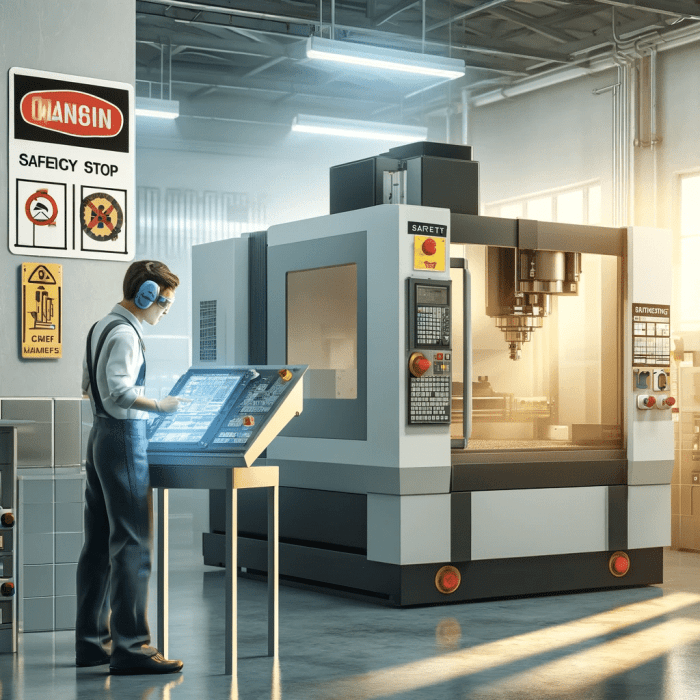
The operational prowess of CNC machines hinges not only on their mechanical capabilities but also on the intricate interplay of software and programming languages. This section delves into the digital architecture that governs CNC machining, illuminating the crucial roles of G-code, Computer-Aided Manufacturing (CAM) software, and other control interfaces. Understanding these elements is paramount for anyone seeking to master the art of CNC machining, offering insights into how raw materials are transformed into precisely crafted components.
Creating and Using G-code
G-code, the numerical control (NC) programming language, acts as the lingua franca of CNC machines. It is the set of instructions that tells the machine precisely how to move, what tools to use, and at what speeds and feeds to operate. Think of it as the blueprint the machine follows, dictating every aspect of the machining process. The creation and effective use of G-code are fundamental to CNC operation.
The core of G-code involves a series of commands, each represented by a letter and a number. “G” codes generally govern machine movements and functions, while “M” codes control auxiliary functions such as coolant flow, spindle start/stop, and tool changes. For example, a command like `G01 X100 Y50 F200` would instruct the machine to move its cutting tool in a straight line (G01) to a position defined by X and Y coordinates (X100, Y50) at a feed rate of 200 units per minute (F200).
G-code programming can be done manually, a process that requires a deep understanding of machining principles, geometry, and the specific machine’s capabilities. However, the more common and efficient approach is to use CAM software, which automatically generates G-code from a 3D model of the desired part. This automated process drastically reduces the time and effort required for programming, minimizing the risk of errors and enabling complex geometries to be machined with ease. The G-code is then loaded into the CNC machine’s controller, which interprets the instructions and directs the machine’s motors and other components to perform the machining operations. This process enables precise control over the cutting tool’s movements, allowing for the creation of highly accurate and intricate parts.
Identifying Different Types of Software Used in CNC Machining
A suite of software applications forms the backbone of CNC machining, each playing a critical role in the design, programming, and execution of machining processes. The interplay of these software types streamlines the workflow, from initial design to final part production.
The principal software categories include:
- Computer-Aided Design (CAD) Software: CAD software is the starting point, used to create 2D or 3D models of the part to be manufactured. Programs like AutoCAD, SolidWorks, and Fusion 360 allow designers to define the part’s geometry, dimensions, and other specifications. These models serve as the foundation for the subsequent stages of the CNC machining process. For example, a CAD model of an aircraft component might define the precise shape, size, and features required for its function.
- Computer-Aided Manufacturing (CAM) Software: CAM software bridges the gap between the CAD model and the CNC machine. It takes the CAD model as input and generates the G-code that the machine uses to cut the part. CAM software also allows users to define cutting strategies, select tools, and simulate the machining process to ensure that the part is manufactured correctly. Examples of CAM software include Mastercam, FeatureCAM, and GibbsCAM. The software generates toolpaths based on the design, allowing the user to control aspects such as cutting speed and depth.
- Machine Control Interface (MCI) Software: The MCI, or CNC controller software, is the interface that runs on the CNC machine itself. It reads the G-code, controls the machine’s motors, and monitors the machining process. The MCI also provides a user interface for operators to start and stop the machine, adjust feed rates, and monitor the progress of the machining operation. Examples include FANUC, Siemens Sinumerik, and Heidenhain. The MCI is the final link in the chain, translating the programmed instructions into physical actions of the machine.
Designing a Step-by-Step Procedure for Programming a Simple Part Using a CAM Software
Programming a part using CAM software can seem daunting at first, but the process is structured and logical. Following a methodical approach ensures accurate and efficient results, even for novice users. This procedure provides a clear, step-by-step guide for programming a simple part.
The procedure typically involves the following steps:
- Import the CAD Model: Begin by importing the 3D model of the part into the CAM software. This model is usually in a common file format such as STEP or IGES, which ensures compatibility between CAD and CAM systems.
- Define the Stock Material: Specify the size and shape of the raw material (stock) from which the part will be machined. This includes defining the material type (e.g., aluminum, steel) and its dimensions, which is crucial for the CAM software to generate accurate toolpaths.
- Orient the Part: Position and orient the part within the virtual machining environment. This involves setting the origin (the reference point for all tool movements) and aligning the part’s axes with the machine’s axes.
- Select and Define Cutting Tools: Choose the appropriate cutting tools from the software’s tool library. Specify the tool’s diameter, length, and other relevant parameters. Define the cutting parameters, such as cutting speed, feed rate, and depth of cut, for each tool and material combination.
- Create Toolpaths: This is where the CAM software shines. Select the machining operations needed to create the part’s features (e.g., milling, drilling, pocketing). The software automatically generates toolpaths based on the part’s geometry, tool selections, and cutting parameters. These toolpaths guide the cutting tool along the desired paths to remove material and create the part’s shape.
- Simulate the Machining Process: Before generating the G-code, simulate the machining process to visualize the toolpaths and identify any potential problems, such as collisions or material removal issues. This step helps to catch errors early on and prevent costly mistakes during the actual machining process.
- Generate G-code: Once the toolpaths are verified, the CAM software generates the G-code file. This file contains all the instructions the CNC machine needs to manufacture the part.
- Post-Process the G-code (If Necessary): The G-code generated by the CAM software may need to be adjusted for the specific CNC machine being used. This is done through a process called post-processing, which ensures compatibility between the software and the machine’s controller.
- Transfer the G-code to the CNC Machine: Transfer the G-code file to the CNC machine’s controller, typically via USB drive, network connection, or other means.
- Set Up and Run the Machine: Securely mount the stock material on the machine’s worktable, install the cutting tools, and set the machine’s work offsets. Then, run the G-code program, carefully monitoring the machining process to ensure that the part is manufactured correctly.
Understanding the Benefits and Limitations of Using CNC Machines Helps in Making Informed Decisions
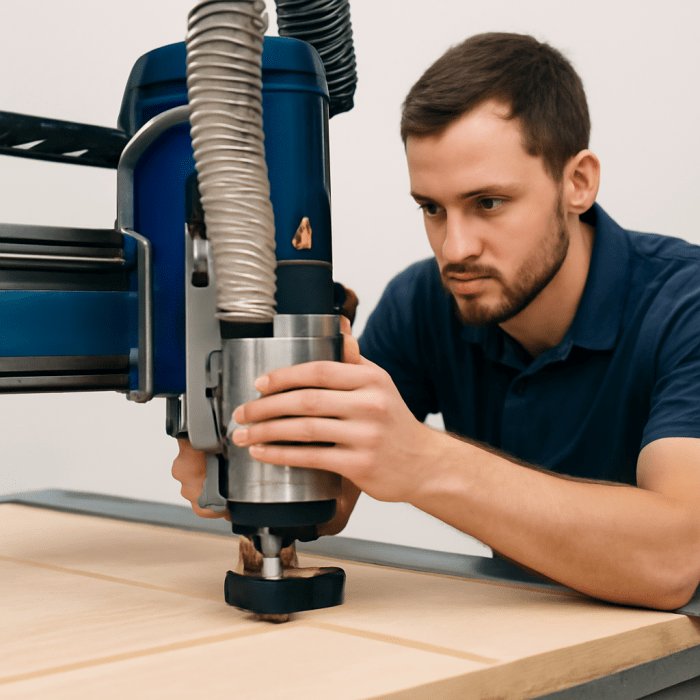
Choosing the right manufacturing process is crucial for any business, impacting everything from production costs to product quality. CNC (Computer Numerical Control) machines offer a powerful solution, but like any technology, they come with both significant advantages and certain drawbacks. Understanding these benefits and limitations allows businesses to make informed decisions about whether CNC machining is the right fit for their needs.
Benefits of CNC Machining
CNC machining presents numerous advantages for manufacturers, leading to increased efficiency, higher precision, and cost savings in the long run. These benefits often translate into a competitive edge in the market.
- Increased Productivity: CNC machines operate automatically, reducing the need for constant human intervention. This automation allows for continuous production, even overnight, significantly increasing output compared to manual processes. For instance, a small machine shop that previously produced 50 custom parts per week using manual methods might be able to produce 200 parts or more per week with a single CNC mill, representing a 300% increase in productivity.
- Reduced Labor Costs: While CNC machines require skilled operators to program and oversee them, they drastically reduce the need for manual labor. This translates to lower labor costs, especially for high-volume production runs. Consider a scenario where a manufacturing company employs five machinists to produce a specific component manually. By switching to a CNC machine, the company might only need one or two skilled operators, thereby significantly reducing labor expenses.
- Enhanced Part Accuracy and Consistency: CNC machines are programmed to follow precise instructions, resulting in highly accurate and consistent parts. This precision minimizes errors and ensures that each component meets the exact specifications, leading to improved product quality and reduced waste. The automotive industry, for example, relies heavily on CNC machining to produce engine components with incredibly tight tolerances, ensuring optimal engine performance and reliability.
- Versatility and Flexibility: CNC machines can handle a wide variety of materials, including metals, plastics, and composites. They can also perform various operations, such as milling, turning, drilling, and grinding, making them suitable for producing complex geometries and intricate designs. This versatility allows manufacturers to adapt quickly to changing market demands and produce a diverse range of products.
- Reduced Waste: The precision of CNC machining minimizes material waste, as parts are produced with accuracy and efficiency. This not only reduces material costs but also contributes to more sustainable manufacturing practices. Companies that utilize CNC machining often see a reduction in scrap rates compared to traditional machining methods.
Comparison of CNC Machining with Other Manufacturing Processes
Different manufacturing processes offer unique advantages and disadvantages. Comparing CNC machining with alternatives like 3D printing and manual machining provides a comprehensive view of their respective strengths and weaknesses.
- CNC Machining vs. 3D Printing: 3D printing, or additive manufacturing, builds parts layer by layer from a digital design. CNC machining, on the other hand, is a subtractive process, removing material to create the desired shape. 3D printing excels at producing complex geometries and prototypes quickly, often with lower initial costs for single or low-volume production runs. However, CNC machining typically offers higher precision, faster production times for larger volumes, and a wider range of materials. For example, creating a custom prototype part might be quicker and cheaper using 3D printing, but mass-producing the same part with stringent dimensional requirements would be more efficient and cost-effective using CNC machining.
- CNC Machining vs. Manual Machining: Manual machining relies on skilled machinists to operate machines and create parts. While manual machining can be suitable for one-off projects or simple designs, CNC machining offers significant advantages in terms of speed, accuracy, and automation, especially for larger production runs. Manual machining can be more cost-effective for very small batches or specialized tasks, but the labor costs and potential for human error are higher. A small artisan workshop creating custom wooden furniture might use manual machining techniques for intricate details, while a large furniture manufacturer would likely employ CNC routers for efficient mass production.
- CNC Machining vs. Injection Molding: Injection molding involves injecting molten material into a mold to create parts. It is highly efficient for mass production of identical parts, but it requires significant upfront investment in mold creation. CNC machining is more flexible and cost-effective for low-to-medium volume production runs, especially when dealing with complex geometries or custom designs. For instance, manufacturing thousands of plastic bottle caps would be ideally suited for injection molding, whereas producing a small batch of custom-designed plastic enclosures for electronic devices would be better suited for CNC machining.
Common Limitations of CNC Machines:
- Initial Investment Costs: CNC machines can be expensive to purchase and set up, requiring significant capital investment.
- Need for Skilled Operators: Operating and programming CNC machines requires specialized training and expertise.
- Potential Material Constraints: Certain materials may be difficult or impossible to machine with CNC technology, depending on the machine’s capabilities and tooling available.
Investigating the Safety Procedures and Maintenance Requirements for CNC Machines Ensures a Safe and Efficient Workshop
Operating a CNC machine involves inherent risks, and neglecting safety protocols can lead to serious injuries or damage to equipment. Prioritizing safety and implementing a robust maintenance schedule are essential for maximizing the lifespan and efficiency of these sophisticated machines. A well-maintained CNC machine operates more reliably, produces higher-quality parts, and reduces downtime, ultimately contributing to a more productive and profitable workshop environment. This section details the critical safety measures and maintenance practices necessary for safe and efficient CNC machine operation.
Safety Precautions for CNC Machine Operation
Ensuring a safe working environment when operating a CNC machine requires a multi-faceted approach, encompassing personal protective equipment (PPE), machine-specific safety protocols, and a commitment to safe work practices. Following these guidelines helps minimize the risk of accidents and injuries.
- Personal Protective Equipment (PPE): Proper PPE is the first line of defense against potential hazards. This includes:
- Eye Protection: Safety glasses or face shields are mandatory to protect against flying debris, such as chips of metal or plastic. Impact-resistant polycarbonate lenses are recommended.
- Hearing Protection: CNC machines can generate significant noise levels. Earplugs or earmuffs should be worn to protect against hearing damage, especially during extended operation.
- Footwear: Safety shoes with steel toes are crucial for protecting against dropped tools or materials. The soles should also be slip-resistant.
- Clothing: Wear close-fitting clothing to prevent it from getting caught in moving parts. Avoid loose sleeves, ties, or jewelry. Long hair should be tied back.
- Gloves: Depending on the material being machined, gloves may be necessary to protect hands from sharp edges, heat, or chemicals. Select gloves appropriate for the specific task.
- Machine-Specific Safety Protocols: Every CNC machine has unique safety features and operational procedures. Always:
- Read the Manual: Thoroughly understand the machine’s operating manual before use. Pay close attention to safety warnings and procedures.
- Emergency Stop Buttons: Familiarize yourself with the location and function of the emergency stop buttons. Know how to activate them quickly in case of an emergency.
- Guards and Enclosures: Ensure all safety guards and enclosures are in place and functioning correctly. These barriers prevent accidental contact with moving parts and contain flying debris.
- Material Handling: Use appropriate lifting equipment and techniques when handling heavy materials. Secure workpieces properly to prevent movement during machining.
- Cutting Tools: Inspect cutting tools for wear and tear before each use. Replace dull or damaged tools promptly. Use the correct tool for the material and the operation.
- Power Down Procedures: Always power down the machine and disconnect the power supply before performing maintenance or making adjustments.
- Safe Work Practices: Adhering to safe work practices is paramount.
- Housekeeping: Maintain a clean and organized workspace. Remove chips, swarf, and debris regularly to prevent slips, trips, and falls.
- Training: Ensure all operators are properly trained on the machine’s operation and safety procedures.
- Supervision: Supervise inexperienced operators closely.
- Never Override Safety Devices: Do not disable or bypass safety features, such as interlocks or limit switches.
- Report Hazards: Immediately report any unsafe conditions or potential hazards to the supervisor.
Routine Maintenance Tasks for CNC Machines
Regular maintenance is crucial for the longevity and optimal performance of CNC machines. A well-maintained machine is more accurate, reliable, and efficient, leading to reduced downtime and increased productivity. Implementing a consistent maintenance schedule helps identify and address potential problems before they escalate.
- Lubrication: Lubrication reduces friction and wear on moving parts.
- Guideways and Ball Screws: Regularly lubricate guideways and ball screws with the recommended lubricant. Follow the manufacturer’s instructions for frequency and type of lubricant.
- Spindle: Check and maintain the spindle lubrication system according to the manufacturer’s specifications.
- Automated Lubrication Systems: If the machine is equipped with an automated lubrication system, ensure it is functioning correctly and the lubricant reservoir is full.
- Tool Inspection: Inspecting tools is important to ensure their functionality.
- Tool Holders: Check tool holders for wear and damage. Replace worn or damaged tool holders promptly.
- Cutting Tools: Inspect cutting tools for wear, chipping, or breakage. Replace worn or damaged tools.
- Tool Presetting: Use a tool presetter to accurately measure tool lengths and diameters. This helps ensure accurate machining and reduces the risk of tool collisions.
- Cleaning: Keeping the machine clean is essential for proper functionality.
- Chips and Swarf Removal: Regularly remove chips and swarf from the machine bed, guideways, and other critical areas. Use a brush, vacuum cleaner, or coolant system to remove debris.
- Coolant System: Maintain the coolant system by checking the coolant level, concentration, and pH. Clean the coolant tank and filters regularly.
- Machine Surfaces: Clean machine surfaces with a suitable cleaner to remove oil, grease, and other contaminants.
- Mechanical Checks: Regular mechanical checks are crucial.
- Guideways: Check the guideways for smooth movement and proper alignment.
- Ball Screws: Inspect ball screws for wear and backlash.
- Belts and Pulleys: Check belts and pulleys for wear and tension.
- Electrical Checks: Electrical checks should be performed to maintain safety and functionality.
- Wiring: Inspect wiring for damage or wear.
- Connections: Check electrical connections for tightness and corrosion.
- Sensors and Switches: Test sensors and switches for proper operation.
Troubleshooting Common CNC Machine Issues
Even with diligent maintenance, CNC machines can experience issues. Knowing how to troubleshoot common problems can minimize downtime and prevent costly repairs. Here are some solutions to common problems.
- Incorrect Tool Paths: Incorrect tool paths can lead to machining errors, such as incorrect dimensions or surface finishes.
- Verify the G-Code: Carefully review the G-code program for errors. Use a G-code simulator to visualize the tool path and identify potential problems.
- Check Tool Offsets: Ensure that the correct tool offsets are entered in the machine’s control. Incorrect offsets can cause the tool to cut at the wrong depth or position.
- Material Properties: Ensure that the G-code is compatible with the material being machined.
- Machine Errors: Machine errors can be caused by various factors, including electrical problems, mechanical failures, and software glitches.
- Error Codes: Carefully analyze the error messages displayed on the machine’s control panel. The error codes often provide clues about the source of the problem.
- Power Supply: Check the power supply to ensure that the machine is receiving adequate voltage.
- Mechanical Components: Inspect mechanical components, such as motors, drives, and encoders, for proper operation.
- Software: Restart the machine control software or update the software.
- Material Defects: Material defects can manifest as burrs, chatter marks, or poor surface finishes.
- Cutting Parameters: Adjust the cutting speed, feed rate, and depth of cut to optimize the machining process.
- Tool Condition: Ensure that the cutting tool is sharp and in good condition. Replace dull or damaged tools.
- Workpiece Clamping: Ensure that the workpiece is securely clamped to prevent movement during machining.
- Material Properties: Ensure the material is of good quality and suitable for machining.
Last Recap
In conclusion, the evolution of CNC machines has redefined manufacturing, enabling unparalleled precision, automation, and efficiency. From the intricacies of G-code programming to the practicalities of routine maintenance, this technology continues to transform how we design and produce goods. As industries increasingly embrace CNC machining, a firm grasp of its principles, applications, and safety protocols is essential. Whether you are an aspiring engineer, a seasoned manufacturer, or simply curious about the future of production, understanding what is a CNC machine is key to unlocking the possibilities of modern manufacturing.
