
Japanese plant stands, a fusion of artistry and nature, offer a captivating aesthetic that transcends mere decoration. More than just objects, they embody centuries of Japanese design philosophy, emphasizing harmony with nature and the appreciation of subtle beauty. This in-depth exploration delves into the intricacies of this captivating aesthetic, from its historical roots to modern interpretations.
This aesthetic, rooted in centuries of tradition, blends the natural world with refined craftsmanship. The careful selection of plants, materials, and arrangement styles all contribute to a unique and serene atmosphere. Understanding the core principles behind this aesthetic unlocks the secrets to creating a visually appealing and culturally significant space.
Defining the Aesthetic
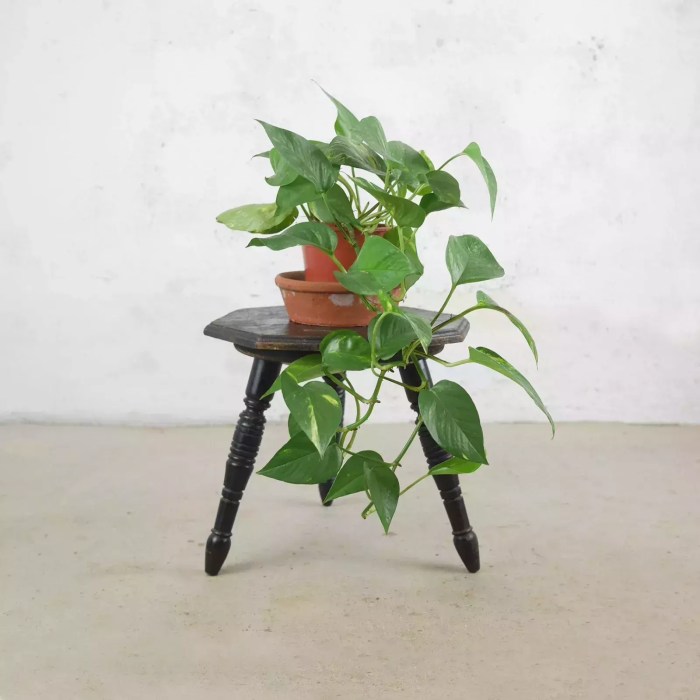
The Japanese plant stand aesthetic, often referred to as
- shohin* or
- bonsai* style, transcends mere practicality; it embodies a deep-seated reverence for nature and a commitment to minimalism. This aesthetic, deeply rooted in Japanese culture, seeks to cultivate a harmonious balance between the natural world and human life. It’s more than just arranging plants; it’s an art form that speaks to the appreciation of beauty in simplicity and the meticulous attention to detail.
This aesthetic isn’t merely about arranging plants; it’s a philosophy of living in harmony with nature, fostering mindfulness, and embracing the beauty of imperfection. The principles ofwabi-sabi*, a Japanese aesthetic concept emphasizing the beauty of impermanence, imperfection, and the natural process of things, are deeply ingrained in this approach. The meticulous care given to each plant reflects a deep respect for the natural world.
Core Principles and Philosophies
This aesthetic is profoundly influenced by the principles ofwabi-sabi*, which values the beauty found in imperfection, asymmetry, and the natural aging process. It also draws upon Zen Buddhism’s emphasis on tranquility, mindfulness, and the appreciation of simplicity. The focus is on creating a serene and contemplative space, allowing the natural beauty of the plants to take center stage.
A minimalist approach is key, emphasizing the inherent beauty of the plant’s form and texture. The philosophy seeks to find beauty in the natural, unadorned state of things, rather than artificial embellishments.
Visual Elements
The visual elements commonly associated with this aesthetic often feature a muted color palette, including natural tones of gray, brown, and green. Materials used for the plant stands are frequently natural, such as wood, stone, or bamboo. Plants often chosen include bonsai trees, succulents, or air plants, reflecting the elegance of their shapes and textures. The arrangement itself is characterized by asymmetry and natural flow, avoiding overly symmetrical patterns.
Often, the stand is placed in a room with minimal décor, allowing the plant and its surroundings to speak for themselves. The interplay of light and shadow, especially within the plant’s foliage, is also a crucial component.
Cultural Influences
This aesthetic is deeply rooted in Japanese cultural values, particularly the reverence for nature and the principles ofwabi-sabi*. The appreciation for the natural world has been a cornerstone of Japanese culture for centuries. The influence of Zen Buddhism, with its emphasis on simplicity, meditation, and mindfulness, is also evident in this approach to plant arrangement. This aesthetic draws upon centuries of traditional Japanese gardening practices, where the focus is on cultivating harmony and balance between humans and nature.
History and Evolution
The roots of this aesthetic can be traced back to ancient Japanese gardens and the practice of bonsai cultivation. The development of theshohin* aesthetic involved the meticulous pruning and shaping of trees, fostering a deeper appreciation for the natural world. Over time, this evolved into a more widespread appreciation for miniature landscapes and the delicate balance within them.
The modern iteration draws inspiration from these historical practices while adapting them to contemporary sensibilities, often incorporating elements of minimalism and modern design.
Key Characteristics
| Characteristic | Description | Image Description |
|---|---|---|
| Color Palette | Muted, natural tones (gray, brown, green). | A simple wooden stand holding a bonsai tree with gray bark and muted green foliage against a backdrop of neutral walls. |
| Materials | Natural materials like wood, stone, bamboo. | A stone planter with a succulent plant, highlighting the rough texture of the stone and the smooth texture of the succulent. |
| Plant Selection | Bonsai trees, succulents, air plants. | A collection of small bonsai trees arranged on a wooden tray, showcasing the diversity of shapes and sizes within the collection. |
| Arrangement Style | Asymmetrical, natural flow, avoiding symmetry. | A bamboo stand with several small plants arranged in a natural, non-symmetrical manner. |
| Minimalist Décor | Simple and uncluttered surroundings. | A plant stand positioned in a room with clean lines, minimal furniture, and natural light, allowing the plant to be the focal point. |
Materials and Craftsmanship
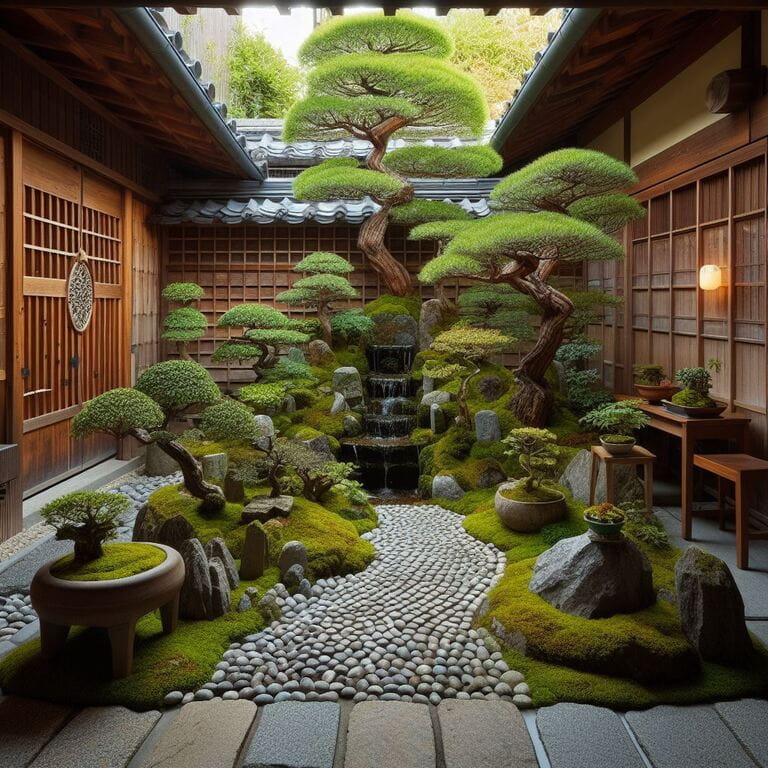
Japanese plant stands, imbued with a deep respect for nature and artistry, showcase a sophisticated interplay of materials and craftsmanship. The choice of materials often reflects the seasonality of the plant and the overall aesthetic desired. From the subtle nuances of polished wood to the intricate carvings of bamboo, each element contributes to the serene atmosphere these stands evoke.The materials and techniques employed in Japanese plant stands reveal a commitment to sustainability and a reverence for the natural world.
The selection of materials, often sourced locally, underscores the connection between the craftsman and the environment. Traditional techniques, passed down through generations, are meticulously preserved, resulting in stands that are not only beautiful but also enduring.
Typical Materials
Japanese plant stands utilize a diverse range of materials, each contributing to the unique character of the stand. Wood, bamboo, and ceramic are prevalent, but metal, stone, and even lacquer are also employed depending on the desired aesthetic and the nature of the plant being displayed. These materials are carefully chosen to complement the plant’s form and enhance its natural beauty.
Traditional Materials
Traditional materials, often sourced from local environments, include various types of wood such as Japanese cedar, cherry, and hinoki. The distinct grain and subtle colors of these woods, often left unpolished or subtly treated, create a natural aesthetic. Bamboo, prized for its strength and flexibility, is another common choice, its natural striations adding a delicate touch. Ceramics, often featuring minimalist designs or subtle glaze patterns, provide a contrasting yet harmonious element.
The aesthetic quality of these traditional materials stems from their inherent beauty and their ability to evoke a sense of tranquility and connection to nature.
Contemporary Materials
Contemporary materials, while maintaining a respect for traditional aesthetics, offer a broader range of possibilities. Modern wood veneers, with their sophisticated variations in color and grain, can be used to create striking contrasts. Metallic accents, such as brushed brass or polished steel, offer a contemporary edge, while incorporating subtle Japanese-inspired motifs. Innovative ceramic techniques, such as utilizing different glazes and textures, allow for unique design expressions.
The use of contemporary materials in plant stands offers a contemporary interpretation of traditional aesthetics, bridging the gap between past and present.
Craftsmanship Techniques
The craftsmanship techniques employed in Japanese plant stands are often highly specialized and require meticulous attention to detail. Carving, turning, and joinery techniques are refined to achieve perfect symmetry and harmony. Lacquer application, a delicate process demanding precision and patience, can add layers of depth and luster to the wood. These techniques, often passed down through generations, create pieces that are not only functional but also possess a tangible sense of artistry.
Significance of Craftsmanship
Craftsmanship plays a crucial role in the aesthetic appeal of Japanese plant stands. The meticulous attention to detail and the skill demonstrated in each piece contribute to the stand’s enduring quality. The meticulous execution of techniques reflects a deep respect for the materials and the process itself. This emphasis on craftsmanship is a key element in conveying the philosophy of Japanese aesthetics, emphasizing the beauty in simplicity and the importance of hand-crafted artistry.
Material Comparison
| Material | Aesthetic Qualities |
|---|---|
| Japanese Cedar | Warm, natural tones; subtle grain; evokes tranquility |
| Bamboo | Strength and flexibility; delicate striations; natural elegance |
| Ceramic | Minimalist or subtly patterned; smooth texture; contrasting harmony |
| Modern Wood Veneers | Sophisticated color variations; intricate grain patterns; contemporary aesthetic |
| Brushed Brass | Modern edge; subtle metallic accents; sophisticated elegance |
Plant Selection and Arrangement
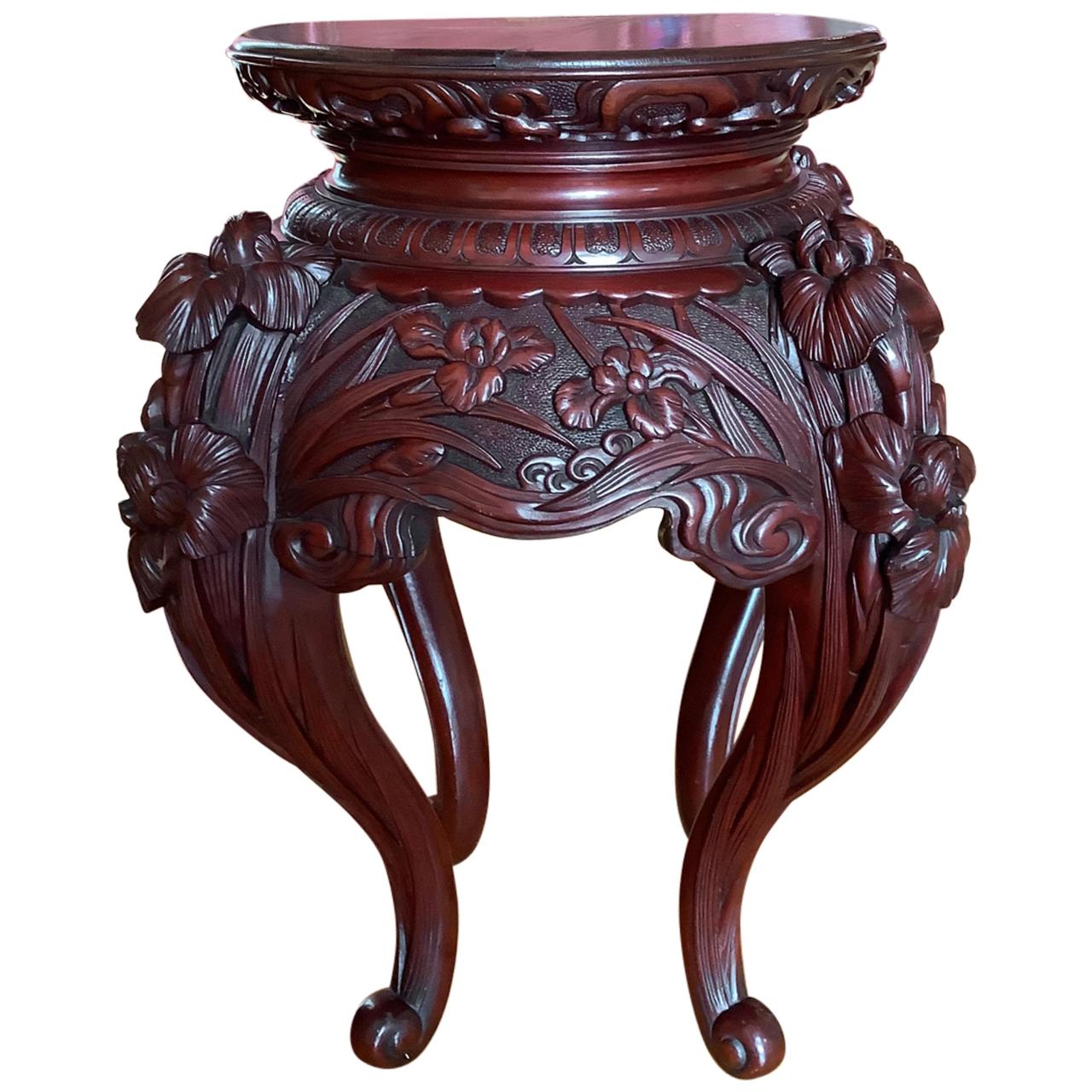
Cultivating a Japanese-inspired plant stand aesthetic necessitates careful consideration of plant selection and arrangement. This transcends mere aesthetics; it reflects an appreciation for natural harmony and the principles of minimalism inherent in Japanese design. The chosen plants, their placement, and the overall arrangement contribute to the tranquil and serene atmosphere that defines the style.
Principles of Plant Selection
The selection of plants for a Japanese plant stand is guided by several key principles. Emphasis is placed on plants that exhibit a graceful, natural form and possess a muted, elegant palette. This includes a preference for subtle textures and understated foliage, avoiding overly vibrant or aggressive growth patterns. Plants with compact growth habits are preferred to maintain the aesthetic of controlled harmony.
Considerations extend beyond visual appeal; the plant’s ability to thrive in the chosen environment and maintain a healthy appearance over time is paramount.
Examples of Appropriate Plant Species
A variety of plant species, with varied characteristics, can enhance the Japanese plant stand aesthetic. Examples include:
- Fiddle-leaf figs (Ficus lyrata): Known for their elegant, broad leaves and relatively slow growth, fiddle-leaf figs are a popular choice for their striking visual impact and ability to maintain a refined form. Their resilience, coupled with their graceful foliage, suits the aesthetic.
- Pothos (Epipremnum aureum): Pothos’ trailing nature and vibrant green foliage can be adapted to the Japanese aesthetic through careful pruning and arrangement, often showcased in hanging baskets or cascading over the stand’s structure. Their adaptability to various light conditions makes them a versatile choice.
- Chinese evergreen (Aglaonema): These plants are valued for their striking foliage and relatively low-maintenance nature. Their tolerance to low light levels makes them a suitable choice for plant stands positioned in less-lit areas. Their vibrant, yet muted colors can contribute to the overall aesthetic.
- Peace lilies (Spathiphyllum): These plants, with their elegant white spathes, add a touch of serenity and grace. Their adaptability to various environments makes them a reliable choice for plant stands.
Importance of Plant Health and Well-being
Maintaining plant health is integral to the aesthetic. A flourishing plant radiates a sense of vitality and harmony, enhancing the overall atmosphere of the plant stand. This involves proper watering, appropriate light exposure, and regular monitoring for pests or diseases. A healthy plant is a visually appealing plant, reflecting the care and attention given to the design.
Significance of Plant Placement and Arrangement
The arrangement of plants is crucial for achieving the desired aesthetic. The careful placement of plants establishes a sense of balance and harmony within the space. Plants are positioned to complement each other in form, color, and texture, creating a unified visual experience. A balanced composition avoids overcrowding or empty spaces, allowing each plant to showcase its unique qualities.
Common Plant Arrangement Styles
Japanese plant stands often incorporate various arrangement styles, each with its own subtle characteristics.
- Ikebana: This traditional Japanese art form involves arranging flowers and foliage in a minimalist style, emphasizing the natural lines and shapes of the materials. Ikebana principles, such as the creation of vertical and horizontal lines and the use of negative space, are integral to Japanese plant stand design.
- Zen Garden principles: The principles of a Zen garden, with its focus on balance, symmetry, and simplicity, can be applied to plant stands. A few strategically placed plants can create a visually calming effect, emphasizing minimalism and harmony.
- Minimalist Arrangements: A minimalist approach involves selecting a few key plants, arranging them in a way that emphasizes their natural beauty and the space around them. This approach showcases the inherent beauty of the plants and the surrounding space.
Comparison of Plant Arrangement Styles
| Arrangement Style | Key Characteristics | Visual Emphasis |
|---|---|---|
| Ikebana | Emphasis on natural lines, negative space, and balance. | Form, structure, and natural beauty. |
| Zen Garden | Focus on balance, symmetry, and simplicity. | Calmness, serenity, and harmony. |
| Minimalist | Use of a few key plants, highlighting their natural beauty. | Simplicity, elegance, and understated beauty. |
Space and Scale
The Japanese plant stand aesthetic prioritizes harmony between the plant, the stand, and the surrounding space. This balance is not merely visual; it reflects a deep-seated philosophy of appreciating the natural world in its entirety. The interplay of space and scale is crucial in achieving this harmony, influencing the perceived weight, elegance, and overall impact of the arrangement.Understanding the interplay of space and scale is fundamental to mastering this aesthetic.
Careful consideration of negative space, proportion, and balance elevates the arrangement from a collection of plants to a curated artistic statement. The appropriate use of these elements transforms the plant stand into a microcosm of the natural world, inviting contemplation and appreciation.
Impact of Space
The surrounding space significantly affects the perception of a plant stand. A small, intimate space benefits from a compact, low-profile stand with a limited number of plants, emphasizing their individual beauty. Conversely, a larger, more expansive room can accommodate a more substantial arrangement, potentially including a wider variety of plant species and a more complex design. The visual weight of the arrangement must be balanced against the surrounding architecture.
Scale and Visual Impact
Scale directly influences the visual impact of the plant stand. A diminutive stand with petite plants conveys a sense of delicacy and intimacy, whereas a larger stand with larger plants creates a more substantial, even monumental presence. Careful consideration must be given to the relative sizes of the plants and the stand itself. The visual balance between these elements is critical to achieving the desired effect.
A stand that is too large for the space can overwhelm the surroundings, while one that is too small might appear insignificant.
Negative Space and Significance
Negative space, the empty area surrounding the plants and stand, plays a crucial role in the Japanese aesthetic. It provides visual breathing room, allowing the individual plants to stand out and encouraging contemplation of the natural forms. Strategic use of negative space creates a sense of calm and serenity, enhancing the visual harmony of the entire arrangement. The absence of clutter highlights the beauty of the elements present.
Proportion and Balance
Proportion and balance are fundamental to the design. The height, width, and depth of the stand, along with the sizes and shapes of the plants, should be carefully considered to achieve a harmonious balance. The stand should not dominate the space, nor should it be overwhelmed by the plants. This requires a deep understanding of the visual principles of proportion and a keen eye for balance in the arrangement.
An imbalance can quickly detract from the overall aesthetic.
Examples of Different Space Settings
A small, modern apartment benefits from a compact, minimalist plant stand with a single, striking succulent. The sleek design complements the clean lines of the space.* A spacious, traditional living room can accommodate a larger, multi-tiered stand featuring a variety of flowering plants. The verticality and complexity of the arrangement complement the room’s architecture.* A zen garden could feature a simple, low-profile stand holding a few carefully chosen bonsai trees.
The serene, contemplative atmosphere is enhanced by the minimalist approach.
Effects of Space and Scale on the Aesthetic
| Space Setting | Scale of Stand | Plant Selection | Aesthetic Impact |
|---|---|---|---|
| Small, modern apartment | Compact, low-profile | Single, striking succulent | Intimate, delicate, minimalist |
| Spacious, traditional living room | Larger, multi-tiered | Variety of flowering plants | Substantial, elegant, complex |
| Zen garden | Simple, low-profile | Few carefully chosen bonsai | Serene, contemplative, minimalist |
Accessories and Elements
Japanese plant stands, imbued with a deep respect for nature, go beyond mere functional displays. They become miniature ecosystems, carefully curated to evoke a sense of tranquility and harmony. The selection and placement of accessories are crucial, mirroring the balance and elegance found in traditional Japanese aesthetics. These elements extend the visual narrative, drawing connections to the surrounding environment and fostering a sense of serene contemplation.
Typical Accessories
Japanese plant stands often incorporate subtle, yet impactful, accessories. These are not simply decorative items but integral components that contribute to the overall atmosphere. Natural materials like bamboo, wood, and stone are prevalent, reinforcing the connection to the natural world. Small, hand-crafted ceramic pots, meticulously designed, often accompany the plants, complementing their natural beauty. Traditional Japanese garden tools, subtly incorporated, evoke a sense of care and appreciation for the plants.
Decorative Elements and Cultural Significance
Several decorative elements are employed to enhance the aesthetic and convey cultural meaning. Miniature waterfalls, meticulously crafted to mimic natural water features, symbolize the harmony of nature’s elements. Traditional Japanese calligraphy, often featuring nature-inspired motifs, adds an artistic touch and a layer of cultural significance. The incorporation of miniature bridges or rock formations, reminiscent of Zen gardens, enhances the sense of serenity and introspection.
These elements draw inspiration from the ancient practice of appreciating the beauty of natural forms and the harmony of the environment.
Lighting and its Impact
Strategic lighting is essential for highlighting the plants and the overall design. Soft, diffused lighting, often achieved with paper lanterns or carefully placed spotlights, creates a warm and inviting atmosphere. The play of light and shadow on the plants and accessories further enhances the aesthetic, creating depth and intrigue. Japanese gardens often use natural light, but carefully positioned artificial lighting complements and highlights the natural beauty of the plants.
Water Features and Their Use
Water features, often in miniature form, are frequently integrated into Japanese plant stands. A small, bubbling water feature, or a carefully placed stone basin, evokes the sounds and imagery of nature, adding a soothing element. The gentle sound of water contributes to the tranquility of the space, mirroring the Japanese appreciation for the natural world. Water is a vital element, often associated with purification and serenity in Japanese culture.
Integration of Natural Elements
The integration of natural elements is paramount in Japanese aesthetics. The use of natural materials like bamboo, wood, and stone is extensive, creating a seamless connection with nature. Incorporating natural textures and colors, from the subtle hues of moss to the rich tones of wood, further strengthens the overall connection to the natural world. The aim is to create a space that feels like an extension of nature itself, not a contrived display.
Relationship Between Accessories and Aesthetic
| Accessory | Cultural Significance | Aesthetic Impact |
|---|---|---|
| Miniature Waterfalls | Harmony of nature’s elements | Creates a tranquil and soothing atmosphere |
| Hand-crafted Ceramic Pots | Craftsmanship and artistry | Highlights the beauty of the plants |
| Miniature Bridges/Rock Formations | Zen garden principles | Enhances serenity and introspection |
| Japanese Calligraphy | Artistic expression and cultural heritage | Adds an artistic touch and depth |
| Natural Materials (Bamboo, Wood, Stone) | Connection to nature | Creates a sense of authenticity and harmony |
Visual Harmony and Balance
Cultivating a Japanese plant stand aesthetic hinges on achieving visual harmony and balance, a crucial element for creating a tranquil and serene space. This harmony stems from careful consideration of the interplay between every component, from the materials to the plant arrangement, ensuring a cohesive and aesthetically pleasing composition. A well-balanced design, mirroring principles of Japanese aesthetics, evokes a sense of peace and mindfulness.The concept of visual harmony in this aesthetic emphasizes a sense of wholeness and equilibrium.
Elements are thoughtfully chosen and arranged to create a unified, pleasing effect, not a collection of disparate pieces. This harmony extends beyond mere visual appeal; it reflects the Japanese philosophy of appreciating the natural world in its purest form.
Achieving Visual Harmony
Visual harmony is achieved by balancing various elements within the space. Balance, in this context, isn’t merely about symmetry, but a more nuanced equilibrium that incorporates asymmetry and proportion. Careful consideration of the size, shape, and texture of each element is essential to achieving a cohesive whole. The use of negative space, for example, can play a significant role in highlighting the positive elements.
Importance of Balance and Symmetry
Balance is crucial for creating a sense of visual stability and calmness. Symmetry, while not always necessary, can contribute to this sense of equilibrium. An asymmetrical arrangement can also achieve balance through careful consideration of visual weight, ensuring that elements are distributed in a way that avoids a sense of imbalance. For example, a heavier plant on one side of the stand might be balanced by a lighter plant and a decorative element on the opposite side.
The positioning of accessories and the choice of plants all contribute to this balance.
Lines, Shapes, and Textures
The interplay of lines, shapes, and textures significantly impacts visual harmony. Curvilinear lines, reminiscent of natural forms, often contribute to a sense of tranquility, while straight lines can provide structure and a sense of order. Shapes should be complementary, with rounded or organic shapes working well alongside rectilinear ones. Textures should be varied but unified, with a focus on natural, tactile qualities.
Consider the texture of the plant leaves, the material of the stand, and the accessories, ensuring a cohesive palette. For instance, the smooth, polished surface of a ceramic pot can contrast beautifully with the rough texture of a bark-covered branch.
Examples of Aesthetically Pleasing Designs
Examples of pleasing designs incorporate elements of minimalism, showcasing the inherent beauty of the plants. A simple, wooden stand with a single, mature bonsai tree, complemented by a few carefully chosen stones, exemplifies this principle. Another example could be a metal stand with a variety of trailing plants, creating a cascading effect that complements the structure. The key is to allow the plants to be the focal point, showcasing their natural beauty.
Achieving Tranquility and Serenity
Tranquility and serenity are inherent in the Japanese plant stand aesthetic. Achieving this requires a deep understanding of the interplay of the components. A harmonious arrangement not only appeals to the eye but also evokes a sense of peace and well-being. For instance, incorporating natural materials like wood and stone can further enhance this feeling. The use of soft lighting, ideally natural light, further contributes to the tranquil ambiance.
Visual Elements Contributing to Harmony
| Visual Element | Description | Contribution to Harmony |
|---|---|---|
| Shape | Organic, rounded, or rectilinear | Creates visual interest and complements the natural forms of plants. |
| Line | Curvilinear or straight | Contributes to a sense of order or tranquility. |
| Texture | Natural and tactile | Enhances the overall visual experience and creates a connection to nature. |
| Color Palette | Earthy tones and muted colors | Evokes a sense of calmness and serenity. |
| Balance | Symmetrical or asymmetrical | Creates visual stability and avoids a sense of imbalance. |
Contemporary Interpretations
The Japanese plant stand aesthetic, steeped in centuries of tradition, is undergoing a fascinating evolution. Contemporary designers are embracing the core principles of minimalism, natural harmony, and craftsmanship while incorporating modern materials and techniques. This fusion creates a dynamic aesthetic that resonates with contemporary lifestyles, offering a fresh perspective on the enduring appeal of this traditional art form.Contemporary interpretations of the Japanese plant stand aesthetic maintain the reverence for nature, but reimagine the forms and materials in ways that speak to a modern sensibility.
This involves a thoughtful adaptation to contemporary living spaces, offering both a connection to tradition and a fresh, modern expression.
Modern Design Adaptations
Contemporary designers often incorporate clean lines and geometric shapes into traditional plant stand designs. This modern approach might feature sleek metal bases, contrasting with the warm tones of natural wood, or use transparent acrylic to highlight the beauty of the plants. Modern interpretations frequently embrace modularity, allowing the stand to be easily customized and adapted to various spaces.
The interplay of light and shadow, crucial in traditional designs, is often amplified through the use of innovative materials and lighting techniques. A modern designer might incorporate LED lighting integrated into the stand, subtly illuminating the plants and creating a dynamic visual effect.
New Materials and Techniques
Modern interpretations explore a wider range of materials beyond traditional options. Metal, like brushed stainless steel or powder-coated aluminum, is increasingly popular, providing a contemporary counterpoint to natural wood or bamboo. Innovative techniques, such as laser-cutting or 3D printing, are used to create intricate and complex forms that add a unique touch to the design. Acrylic and glass, used strategically, offer a transparent elegance that highlights the plant’s natural beauty.
This modern exploration of materials pushes the boundaries of the aesthetic, allowing for a greater variety of styles and expressions.
Adapting to Modern Lifestyles
Contemporary designs are adapting to modern lifestyles by emphasizing functionality and versatility. Modular designs, for example, allow the plant stand to be easily reconfigured to fit different spaces. Lightweight, yet sturdy, materials make the stands more portable, accommodating the needs of urban dwellers with changing home environments. Integrated watering systems or self-contained planters are gaining traction, streamlining plant care and reflecting a desire for efficient and practical solutions.
The accessibility of modern materials and manufacturing techniques contributes to the creation of more affordable and widely accessible plant stands, allowing more people to enjoy the benefits of incorporating nature into their homes.
Traditional vs. Contemporary Comparison
| Aspect | Traditional | Contemporary |
|---|---|---|
| Materials | Natural materials like wood, bamboo, and stone | Natural and modern materials, including metal, glass, and acrylic, often combined |
| Form | Organic, flowing lines and forms, emphasizing natural shapes | Geometric, clean lines, and modular designs, often with a focus on functionality |
| Craftsmanship | Handcrafted, often with intricate details | Combination of handcrafted and mass-produced elements |
| Functionality | Primarily aesthetic | Emphasis on functionality and adaptability to modern lifestyles |
| Scale | Often large-scale, meant for larger spaces | Can be adaptable to a wider range of spaces and needs |
The table above highlights the core differences between traditional and contemporary approaches to the Japanese plant stand aesthetic. While traditional designs prioritize natural materials and craftsmanship, contemporary designs incorporate modern materials and techniques to create stands that are both aesthetically pleasing and functional for modern lifestyles.
Cultural Significance and Symbolism
Japanese plant stands, far from mere functional objects, are deeply rooted in the nation’s rich cultural heritage. Their design and the plants they hold are imbued with symbolism that speaks to profound philosophical concepts and aesthetic ideals. The integration of nature into daily life, a core tenet of Japanese culture, is elegantly reflected in these meticulously crafted pieces.The symbolism of plants and elements within Japanese plant stands resonates with centuries of artistic and philosophical traditions.
Nature, with its cycles of growth and decay, is viewed as a powerful metaphor for life’s journey. The careful selection and arrangement of plants contribute to the overall narrative and express specific cultural values, including appreciation for beauty, tranquility, and the interconnectedness of all things.
Cultural Significance of Japanese Plant Stands
Japanese plant stands, often crafted with meticulous attention to detail, are not merely containers for plants; they embody the cultural reverence for nature and the pursuit of aesthetic harmony. Their significance extends beyond the practical to the spiritual, reflecting a deep-seated appreciation for the beauty and symbolism inherent in nature. These stands, with their carefully chosen materials and design elements, become tangible expressions of this profound connection.
Symbolism of Plants and Elements
The selection of plants and elements in Japanese plant stands carries significant symbolic weight. Bamboo, for example, is frequently incorporated for its strength, resilience, and adaptability. Cherry blossoms, delicate and ephemeral, represent the fleeting beauty of life and the inevitability of change. These elements, when carefully arranged, create a visual narrative that resonates with the viewer on a deeper level.
The artistry extends beyond the plant itself, including the way the elements are presented to emphasize their symbolism.
Importance of Nature in Japanese Culture
Nature plays a pivotal role in Japanese aesthetics, philosophy, and daily life. The concept ofwabi-sabi*, a philosophy that embraces imperfection and transience, is deeply intertwined with the appreciation for nature’s beauty in its natural state. This appreciation is evident in the use of natural materials and the subtle elegance often found in Japanese plant stands. The serene beauty of nature provides a sense of peace and tranquility that permeates many aspects of Japanese culture.
Examples of Plant and Element Symbolism
- Bamboo: Symbolizes strength, resilience, and adaptability, echoing the spirit of perseverance and enduring nature. Its straight, unyielding form often contrasts with the delicate beauty of other elements in the arrangement.
- Cherry Blossoms (Sakura): Represents the fleeting beauty of life, the inevitability of change, and the ephemeral nature of beauty. Their delicate and vibrant display symbolizes the importance of appreciating the present moment.
- Pine Trees: Symbolizes longevity, strength, and resilience. Often featured in Japanese plant stands, their evergreen nature suggests an enduring connection to nature and a timeless aesthetic.
How Symbols Reflect Cultural Values
The symbolism embedded in Japanese plant stands reflects the cultural values of appreciation for beauty, harmony, and the interconnectedness of all things. These stands act as visual representations of these values, expressing a profound respect for nature’s artistry and the enduring cycle of life. The careful selection and arrangement of plants create a microcosm of the larger world, reflecting the cultural emphasis on serenity, tranquility, and the beauty found in subtle details.
Cultural Symbolism of Elements in Japanese Plant Stands
| Element | Symbolism | Cultural Value |
|---|---|---|
| Bamboo | Strength, resilience, adaptability | Perseverance, enduring nature |
| Cherry Blossoms (Sakura) | Ephemeral beauty, impermanence | Appreciation of the present moment, beauty in transience |
| Pine Trees | Longevity, strength, resilience | Enduring connection to nature, timelessness |
| Rocks/Stones | Stability, grounding, permanence | Connection to the earth, balance |
| Water Features (if included) | Flow, change, purity | Tranquility, continuous cycle of life |
Practical Considerations
Cultivating a thriving Japanese plant stand aesthetic necessitates a meticulous approach to maintenance. Neglecting the practical aspects can quickly diminish the visual appeal and long-term health of the plants, undermining the carefully curated ambiance. This section delves into the practical considerations for keeping these meticulously crafted displays vibrant and enduring.Maintaining the delicate balance of a Japanese plant stand requires a deep understanding of plant needs and a proactive approach to care.
Proper lighting, consistent watering, and appropriate cleaning practices are crucial to preventing issues like pest infestations, wilting, and plant decay. Furthermore, regular inspection and adjustments ensure the longevity of the stand and its contents.
Plant Care and Upkeep
Proper plant care is fundamental to the success of a Japanese plant stand. Different plant species have varying needs regarding sunlight, water, and humidity. Thorough research into the specific requirements of each plant is crucial for optimal growth and vitality. This includes understanding the ideal temperature range and the specific soil composition necessary for healthy root development.
Lighting Solutions and Impact
Proper lighting is essential for maintaining the health and vibrancy of plants within a Japanese plant stand. Adequate light exposure encourages photosynthesis, promoting growth and maintaining the overall health of the flora. Incorrect lighting can result in stunted growth, discolouration, and ultimately, plant death. Carefully consider the natural light conditions of the space and select artificial lighting options that replicate the desired spectrum.
For instance, LED grow lights are often recommended for their ability to deliver targeted wavelengths promoting specific plant growth patterns.
Cleaning and Maintenance
Regular cleaning is vital for maintaining the aesthetic and health of the Japanese plant stand. Dust accumulation, debris, and pest buildup can rapidly compromise the visual appeal and potentially harm the plants. This requires a gentle yet thorough approach, avoiding harsh chemicals that could damage delicate foliage. Using soft cloths and lukewarm water for cleaning is usually sufficient.
Thorough cleaning should be done on a regular schedule to prevent the build-up of debris.
Regular Inspection and Adjustment
Regular inspections of the plant stand and its contents are essential to ensure the plants remain healthy and the aesthetic is maintained. This includes checking for signs of pests, disease, or damage to the plants themselves. It also involves examining the structural integrity of the stand, ensuring that it remains stable and secure. Periodic adjustments to watering schedules and lighting conditions may also be necessary to accommodate changes in environmental factors.
For example, seasonal shifts in sunlight duration can require adjusting the placement of the stand to maintain optimal light exposure.
Practical Maintenance Steps
A structured approach to maintenance ensures the longevity and visual appeal of a Japanese plant stand.
| Task | Frequency | Description |
|---|---|---|
| Inspect plants for pests and diseases | Weekly | Visually assess each plant for signs of infestation or damage. |
| Check soil moisture | 2-3 times per week | Use your finger to feel the moisture level of the soil. Adjust watering as needed. |
| Clean leaves and debris | Weekly | Use a soft cloth and lukewarm water to remove dust and debris from leaves. |
| Adjust lighting as needed | Monthly | Ensure the plant stand receives appropriate light exposure based on the season. |
| Inspect stand for stability | Monthly | Check for any signs of damage or imbalance. |
Last Recap
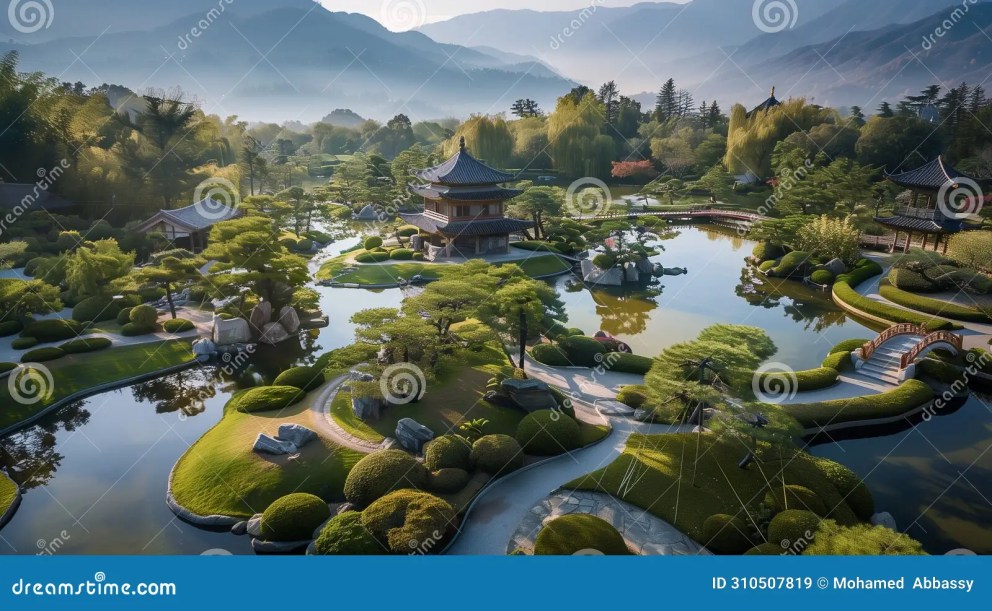
In conclusion, the Japanese plant stand aesthetic is a testament to the power of mindful design and the enduring appeal of nature. From its historical evolution to contemporary interpretations, this aesthetic continues to inspire and captivate. By embracing the core principles of harmony, balance, and craftsmanship, one can cultivate a space that reflects a deep appreciation for the natural world and Japanese cultural heritage.
